
Materials / grade-specific review
High-Voltage Electrolyte (4.5 V)
Oxidation-stable formulation for cells charged above 4.35 V, with an aluminium passivation additive and reduced HF generation.
APPLICATION & GRADE
Grade / designation: SZ-M1-EL02
Grade and specification to be confirmed
Discuss Material Requirements ↗Typical applications
NCM811 and high-voltage LCO cells
4.4–4.5 V cycling studies
Aluminium corrosion evaluation
Electrolyte additive screening
Grade & supply review
Salt and concentration — LiPF6, LiFSI, NaPF6 or a blend
Solvent ratio and co-solvent selection
Additive package (VC, FEC, LiDFOB, PS, aluminium passivator)
Water and HF limits, volume, and septum-vial packing
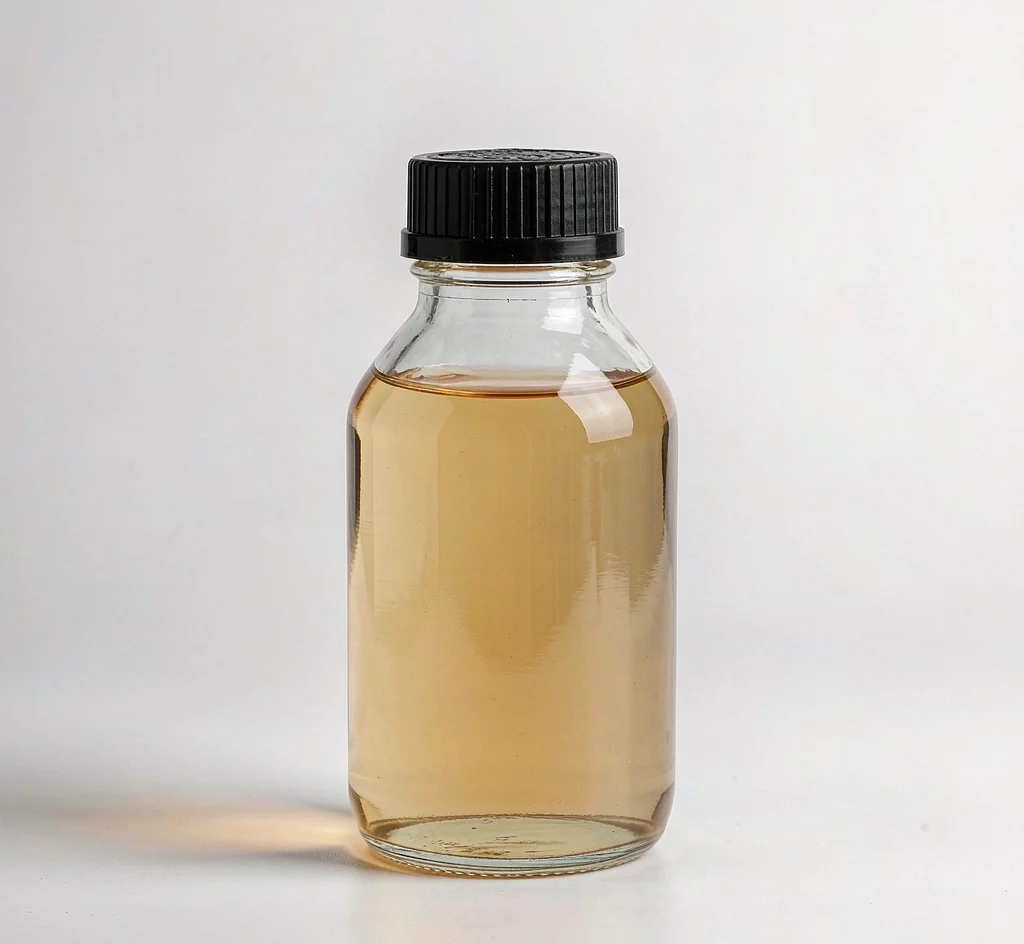
Representative image. Actual material appearance varies by grade and lot — request a current photograph or sample.
About this material
Above 4.35 V the standard carbonate blend starts to oxidise and the aluminium current collector begins to dissolve. This formulation replaces part of the cyclic carbonate with a fluorinated co-solvent and adds a passivating salt that builds a protective film on the aluminium surface.
The result holds to 4.5 V with a conductivity of 8–10 mS/cm — slightly lower than the baseline, which is the price of the fluorinated component. It is intended for NCM811 and high-voltage LCO work where the extra 0.15 V is worth 8–10% energy density.
Documentation, controls and care
Quality controls
- Certificate of analysis per batch
- Moisture by Karl Fischer, reported per lot
- Trace metal screening
- Retained samples held for 12 months
Handling & storage
- Handle in a dry room or glove box; hygroscopic and HF-forming on air exposure.
- Store sealed under argon at 5–25 °C, away from light.
- Do not open a partly used bottle repeatedly — dispense into a septum vial.
Grades on this page are references used to describe capability; they are not a fixed product list.
Specification values are typical windows compiled from public technical references and supplier
datasheets, and are provided for selection guidance only. The specification delivered against your
order is agreed in writing, and measured values are confirmed on the batch certificate of analysis.
Materials listed here may be hazardous; they must be handled by qualified personnel under applicable
regulations.
Material specifications
| Composition | 1.0 M LiPF6 in EC/EMC with fluorinated co-solvent |
|---|---|
| Additives | 2% VC, 1% LiDFOB, 0.5% aluminium passivator |
| Oxidation stability | >4.5 V vs Li/Li⁺ |
| Conductivity | 8–10 mS/cm at 25 °C |
| Water content | ≤20 ppm (Karl Fischer) |
| Free HF | ≤30 ppm |
| Density | 1.18–1.24 g/cm³ at 25 °C |
| Colour | ≤50 APHA, clear |
| Operating window | −20 to 60 °C |
| Pack sizes | 50 mL / 250 mL / 1 L / 5 L |
Grade & packaging options
Custom particle size or purity windows
Pilot and production quantities
Technical review call with our materials team
Supply boundaries
Reference grade, not a fixed catalogue item. Capacity, particle size, coating, purity and packaging are set to the specification your process needs — the delivered grade may differ from the values shown here.
Packaging & handling
Laboratory pack | 50 mL / 250 mL septum bottle
Pilot pack | 1 L / 5 L nitrogen-capped container
Production pack | 20 L drum, argon blanket
Information for material review
Cell chemistry, format and voltage window
Target capacity, areal loading or formulation
Process route — NMP/PVDF, aqueous, or dry
Quantity per lot, packing and delivery schedule
Training in China
Training at our China facility is available for this product. Scope, schedule and language are agreed for each project.
Related products


LET’S REVIEW YOUR MATERIAL REQUIREMENTS
Discuss your material specification.
Share the intended use, required grade, quantity and supporting documents you need to review.
support@szotech.com