
Materials / grade-specific review
Ceramic-Coated PE Separator
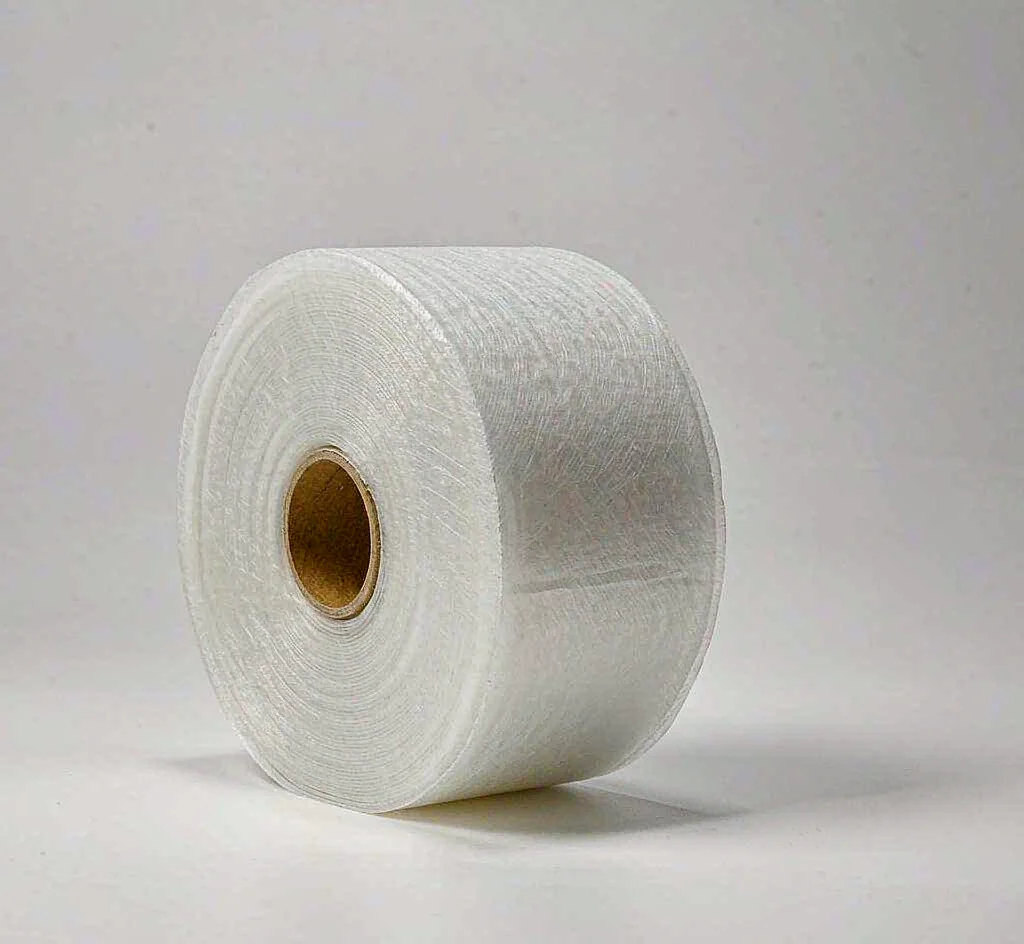
Wet-process polyethylene base film with a dual-sided Al2O3 coating for thermal stability above 200 °C and improved electrolyte wetting.
APPLICATION & GRADE
Grade / designation: SZ-M1-SP01
Grade and specification to be confirmed
Discuss Material Requirements ↗Typical applications
Lithium-ion power cells with safety-critical qualification
Coin-cell assembly with pre-punched discs
High-nickel cathode systems
Pouch and prismatic pilot builds
Grade & supply review
Thickness from 5 to 25 μm, and roll width
Porosity and Gurley target
Coating type and weight — ceramic, boehmite, PVDF or aramid
Pre-punched discs in φ16 / φ19 mm or a custom diameter
Representative image. Actual material appearance varies by grade and lot — request a current photograph or sample.
About this material
A separator has to do two contradictory things: block electronic contact between electrodes while letting lithium ions through quickly. Wet-process polyethylene achieves this with a thin, uniform, highly porous film — typically 5–12 μm, roughly a third the thickness of a dry-process counterpart. The weakness is thermal: PE softens and shuts down near 130–135 °C, and can shrink enough at higher temperatures to expose the electrodes.
Coating both faces with aluminium oxide fixes that weakness. The ceramic layer is dimensionally inert, so the composite holds its shape well past 200 °C, resists puncture from electrode burrs and wets electrolyte more readily than bare PE. This makes it the standard choice wherever safety testing — nail penetration, crush, thermal abuse — is part of the qualification plan.
Documentation, controls and care
Quality controls
- Thickness gauged across the web width
- Porosity and air permeability verified per lot
- Thermal shrinkage tested at 150 °C
- Visual inspection for pinholes and coating defects
Handling & storage
- Store in a dry, dust-free environment; keep rolls wrapped until use.
- Handle with powder-free gloves — skin oils reduce electrolyte wetting.
- Punch discs with a sharp die; burred edges cause micro-shorts in coin cells.
Grades on this page are references used to describe capability; they are not a fixed product list.
Specification values are typical windows compiled from public technical references and supplier
datasheets, and are provided for selection guidance only. The specification delivered against your
order is agreed in writing, and measured values are confirmed on the batch certificate of analysis.
Materials listed here may be hazardous; they must be handled by qualified personnel under applicable
regulations.
Material specifications
| Base film | Wet-process polyethylene (PE) |
|---|---|
| Base film thickness | 7 / 9 / 12 μm |
| Coating | Al2O3, both sides, 2–4 μm per side |
| Total thickness | 12 / 16 / 20 μm |
| Porosity | 40–55% |
| Thermal shrinkage | ≤2% at 150 °C for 1 h |
| Thermal resistance | Stable above 200 °C |
| Puncture strength | ≥300 gf |
| Air permeability | 200–350 s/100 mL |
| Width | 20–300 mm, slit to order |
| Packing format | Roll or pre-punched discs |
| Disc diameters | φ16 mm / φ19 mm standard |
Grade & packaging options
PVDF-coated for adhesion to electrodes
Aramid-coated for high-temperature duty
Dry-process PP grades for storage cells
Pre-punched discs in custom diameters
Supply boundaries
Reference grade, not a fixed catalogue item. Capacity, particle size, coating, purity and packaging are set to the specification your process needs — the delivered grade may differ from the values shown here.
Packaging & handling
Sample pack | 1 m / 5 m roll
Laboratory pack | 25 m roll, 20–60 mm width
Production pack | 200–500 m roll on 3-inch core
Information for material review
Cell chemistry, format and voltage window
Target capacity, areal loading or formulation
Process route — NMP/PVDF, aqueous, or dry
Quantity per lot, packing and delivery schedule
Training in China
Training at our China facility is available for this product. Scope, schedule and language are agreed for each project.
Related products


LET’S REVIEW YOUR MATERIAL REQUIREMENTS
Discuss your material specification.
Share the intended use, required grade, quantity and supporting documents you need to review.
support@szotech.com