
Materials / grade-specific review
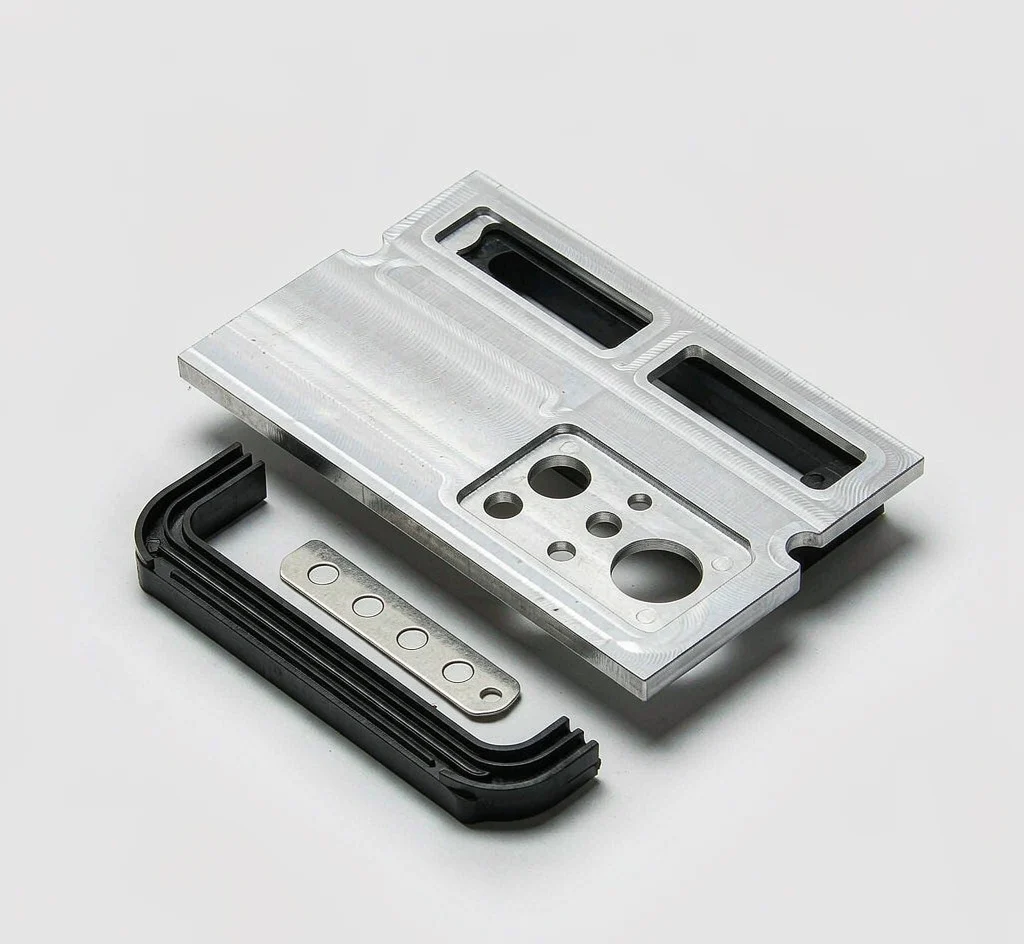
Aluminium Busbar for Module Assembly
Conductivity-grade aluminium busbar stock, cut and formed to drawing, for cell-to-cell and module interconnect within a pack.
APPLICATION & GRADE
Grade / designation: SZ-M1-PK01
Grade and specification to be confirmed
Discuss Material Requirements ↗Typical applications
Cell-to-cell interconnect in modules
Module-to-module busbar within a pack
Pack terminal and service disconnect links
Pilot pack builds and prototype assembly
Grade & supply review
Cut, punched or stamped to drawing
Material grade and plating thickness
Dielectric rating and flammability class
Prototype quantities through to production sets
Representative image. Actual material appearance varies by grade and lot — request a current photograph or sample.
About this material
Inside a pack, busbars carry the full pack current between cells and modules. The design constraint is a balance between cross-section, which sets resistive loss and temperature rise, and mass, which the pack can ill afford. Aluminium is the usual choice for the main current path because its conductivity-to-weight ratio is favourable and it welds cleanly by laser to aluminium cell terminals.
Joints are where packs fail. Aluminium develops a tenacious oxide layer within minutes of exposure to air, which is why surface condition and cleaning immediately before welding matter more than the alloy specification. Where a busbar must bolt to a dissimilar metal, a nickel-plated finish is normally specified to control galvanic corrosion at the interface.
Documentation, controls and care
Quality controls
- Dimensional inspection against drawing
- Conductivity tested on sample basis
- Burr height checked at cut edges
- Plating thickness verified where specified
Handling & storage
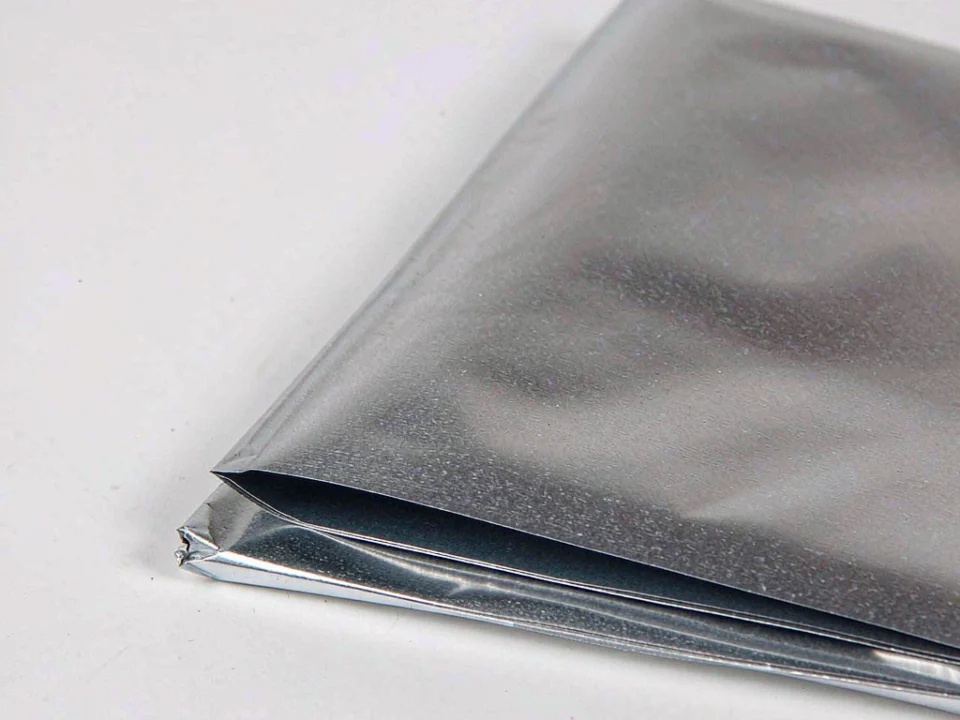
- Keep in moisture-barrier packaging until welding — surface oxide raises joint resistance.
- Do not handle welded surfaces with bare hands.
- Store flat; bends introduced in transit will not meet the drawing.
Grades on this page are references used to describe capability; they are not a fixed product list.
Specification values are typical windows compiled from public technical references and supplier
datasheets, and are provided for selection guidance only. The specification delivered against your
order is agreed in writing, and measured values are confirmed on the batch certificate of analysis.
Materials listed here may be hazardous; they must be handled by qualified personnel under applicable
regulations.
Material specifications
| Material | Aluminium 1060 or 1070 |
|---|---|
| Thickness | 0.1 / 0.15 / 0.2 / 0.3 mm |
| Width | Cut to drawing, up to 200 mm |
| Electrical conductivity | ≥58 MS/m |
| Tensile strength | ≥70 MPa |
| Surface | Mill finish or nickel-plated |
| Cut tolerance | ±0.1 mm |
| Edge condition | Deburred, burr <0.05 mm |
| Hole punching | To drawing |
| Bend radius | Per drawing |
| Supply format | Flat blanks or formed parts |
| Packaging | Interleaved, moisture-barrier bag |
Grade & packaging options
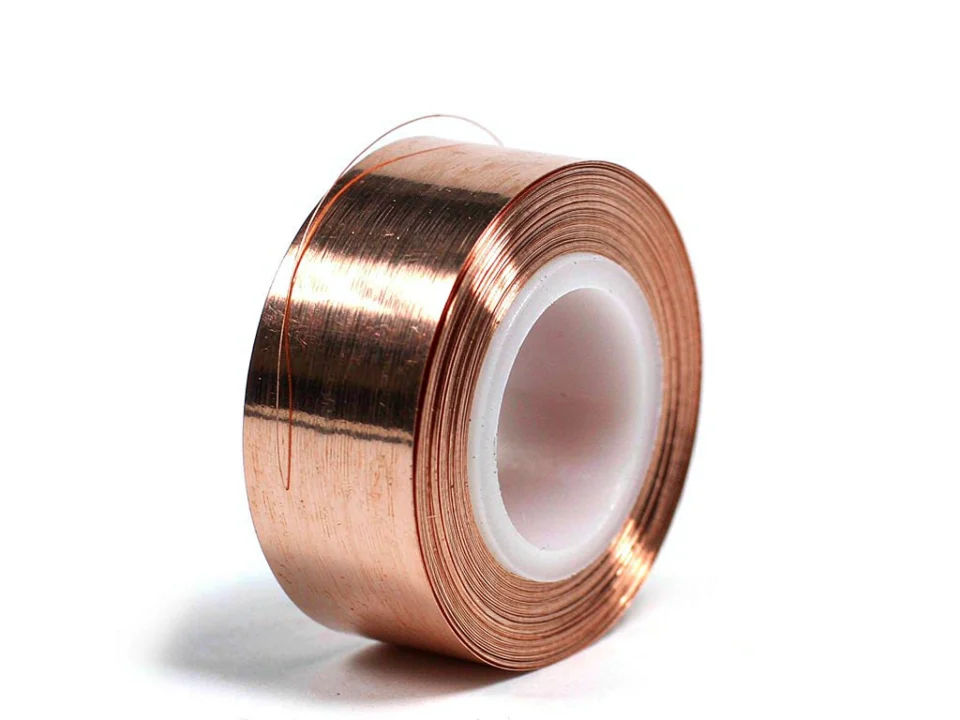
Copper busbar for high-current paths
Laser-weld ready nickel-plated finish
PET / PP insulation sheets
Thermal interface pads
Supply boundaries
Reference grade, not a fixed catalogue item. Capacity, particle size, coating, purity and packaging are set to the specification your process needs — the delivered grade may differ from the values shown here.
Packaging & handling
Sample pack | 10 pcs
Pilot pack | 100 pcs
Production pack | 500–2000 pcs, interleaved
Information for material review
Drawing, dimensions and tolerances
The component it mates with, and the joint method
Quantity per lot and repeat-order pattern
Standards, certification or documentation you work to
Training in China
Training at our China facility is available for this product. Scope, schedule and language are agreed for each project.
Related products
LET’S REVIEW YOUR MATERIAL REQUIREMENTS
Discuss your material specification.
Share the intended use, required grade, quantity and supporting documents you need to review.
support@szotech.com